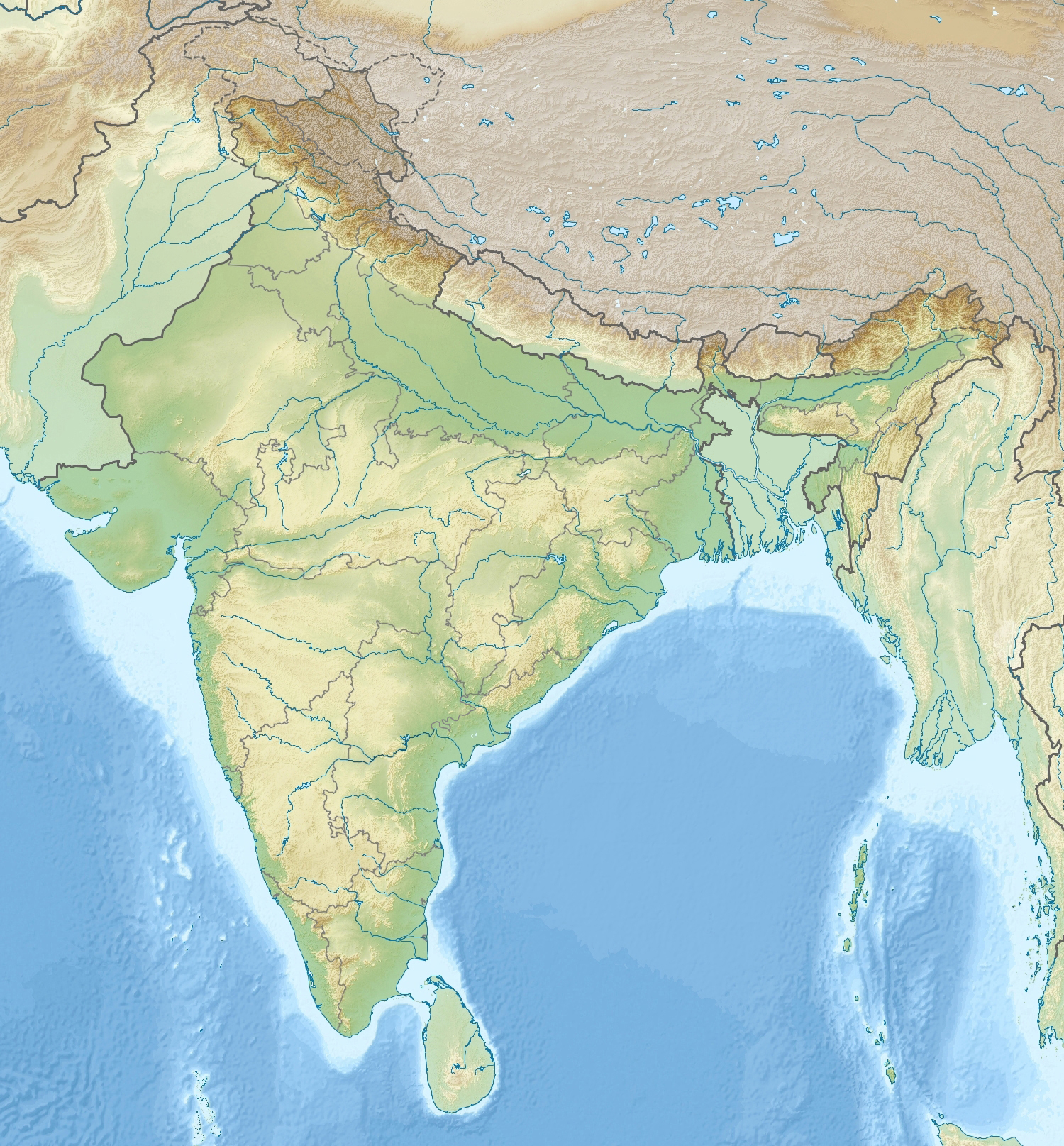
Pilak preserves the remains of early Buddhist and Hindu religious structures. Spread across a valley in South Tripura, these ancient ruins indicate a historical period where multiple religious traditions coexisted.
Pilak Archaeological Site
A Historical Synthesis of Faiths

History
Historical Era
The scattered artifacts generally date between the 8th and 12th centuries AD.
Excavations
Discoveries include terracotta plaques, stone stupas, and large images of Avalokiteshvara.
Architectural Influence
The design elements reflect influences from the Arakan, Gupta, and Pala dynasties.
Significance
It serves as key evidence for analyzing the historical spread of Buddhism in Northeast India.
Festivals
Pilak Tourism Festival
A state-organized event aimed at promoting the region's heritage.
Buddha Purnima
Local Buddhist communities gather near the ancient stupas for prayers.
Special Highlight
The site contains rare continuous terracotta panels depicting stories from Hindu and Buddhist mythology.
Travel Guide to Pilak Archaeological Site
How to Reach
By Air: Maharaja Bir Bikram Airport is positioned roughly 105 km north.
By Train: Jolaibari Railway Station provides close transit access, mere 5 km away.
By Road: Accessible via NH 8, traveling south towards the Santirbazar sector.
Best Time to Visit
Winter and spring months provide comfortable conditions for walking the open ruins.
Local Attractions
Trishna Wildlife Sanctuary: A nearby reserve protecting the Indian bison.
Tepania Eco Park: A managed wilderness area located further up the highway.
Chabimura: Another famous archaeological rock-carving site in the neighboring district.
Travel Tips
Hire a local guide to understand the context of the fragmented sculptures.
Wear a hat and use sunscreen as the excavation areas lack shade.
Keep to the marked paths to avoid stepping on unprotected archaeological segments.
Combine this trip with a visit to the nearby Trishna Wildlife Sanctuary.
Location Map
Image Gallery